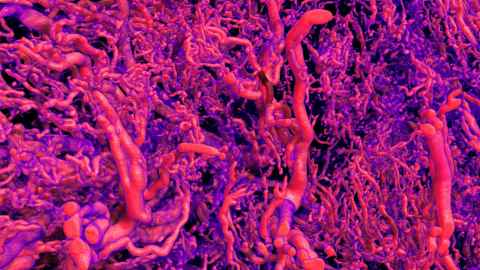
A Digital Twin framework for mathematically modelling the physiological systems of the human body, and new ways for looking at diagnostics and treatment.
Go to project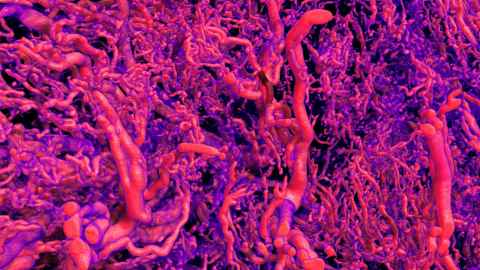
Integrating experiments, computational modelling and instrumentation to improve understanding of host-microbe interactions in humans and animals.
Go to group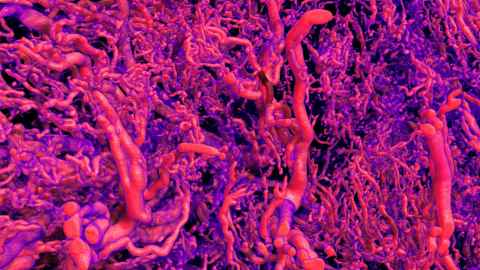
The lab focuses on exploring ways to create enabling human-computer interfaces that are natural extensions of our body, mind, and behaviour.
Go to lab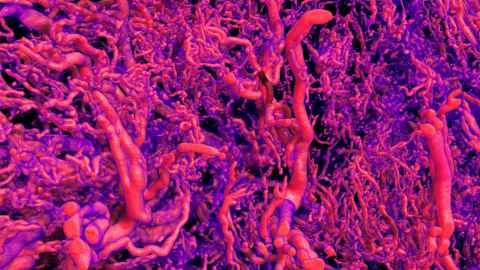
Developing novel scientific instrumentation and medical devices by combining expertise in biology, optics, mechanics, mathematics, electronics, computation and chemistry.
Go to lab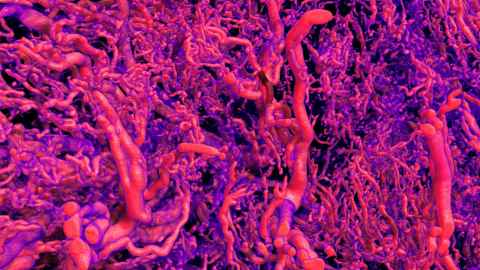
ABI's Biomimetics Lab, where work on electric charge has helped create groundbreaking inventions.
Go to lab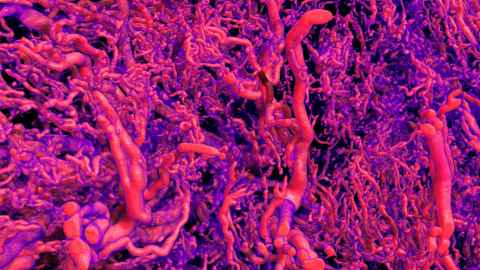
The Biorobotics research group develops cutting-edge electrical and mechanical systems for assistive robots and medical treatment.
Go to group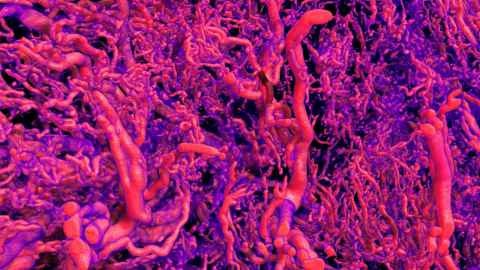
We are developing imaging-based tools and digital twin models to personalise cancer care, optimise treatment outcomes and prevent side effects.
Go to group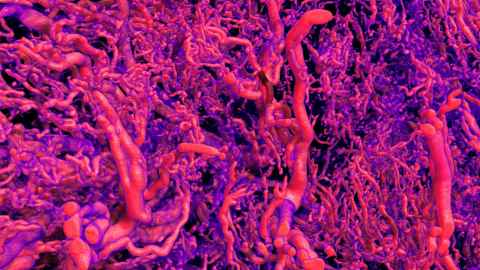
This interdisciplinary research group uses function-based computer models of the heart and novel measurement techniques to study electrical activity.
Go to group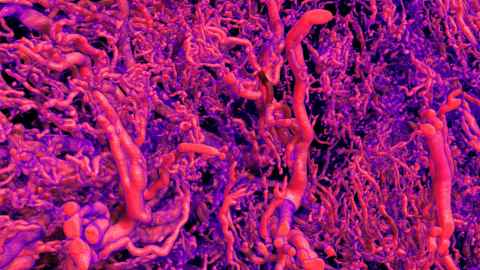
We use computational modelling and experimental measurements to develop quantitative descriptions of the movement of matter within the body.
Go to group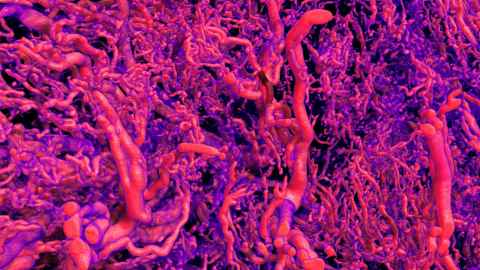
The computational methods group researches and applies various computational methods to biological and medical problems.
Go to group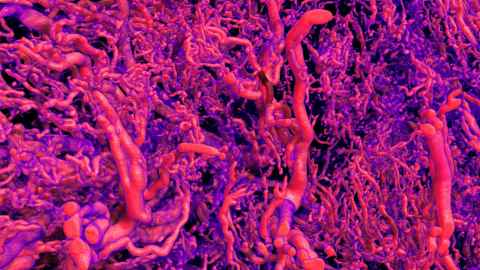
The Empathic computing lab’s mission is to develop software systems that enable people to share what they’re seeing, hearing, and feeling with others.
Go to lab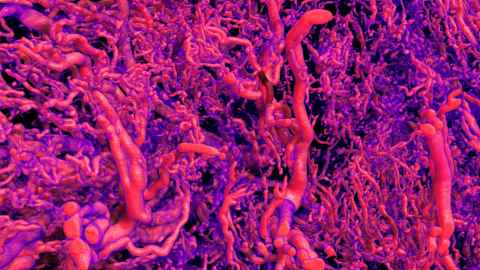
This multidisciplinary project examines the complexity of the eye by connecting the physiology, engineering and optics of our visual system.
Go to group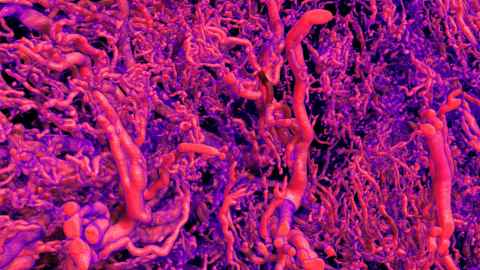
Developing tools and techniques to improve our understanding of the gastrointestinal system.
Go to group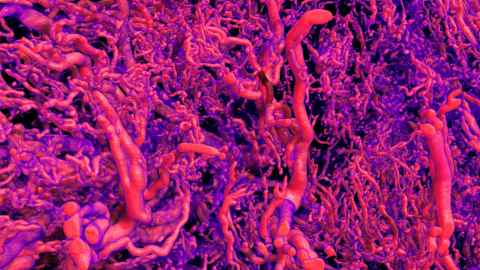
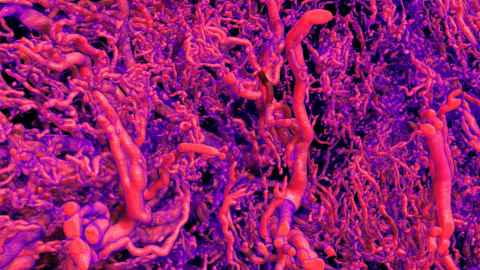
Showcasing our research into implantable devices, their potential and how they can be used to make a dramatic difference to people’s lives.
Go to group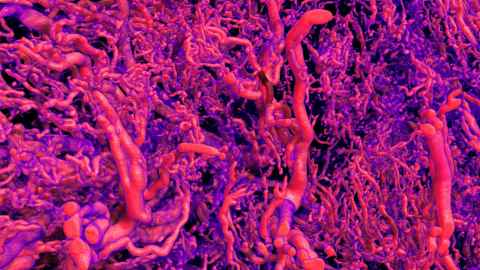
We are developing multidisciplinary technologies to create interactive animated systems that will define the next generation of human-computer interaction.
Go to lab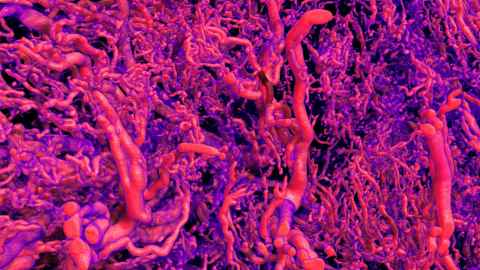
We use multiscale modelling techniques to simulate hepatic surgery, circulation, drug uptake and clearance under healthy and pathological conditions.
Go to group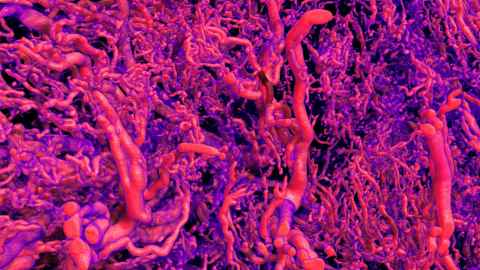
Combining advanced computational models of the respiratory system with clinical, experimental and imaging expertise to investigate respiratory (patho)physiology.
Go to group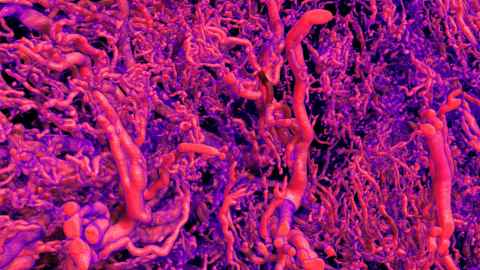
We research the science of information in biomedicine, and how information within medical images is retrieved, analysed, enhanced, and exchanged.
Go to group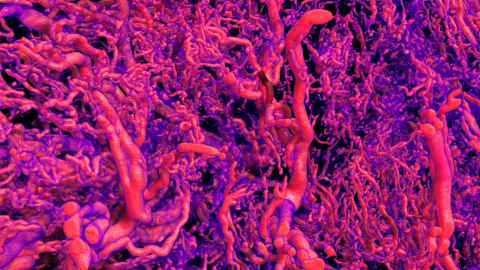
The Musculoskeletal system group look in depth at the organ system comprising muscles, bones, cartilage, ligaments, tendons, and other connective tissues.
Go to group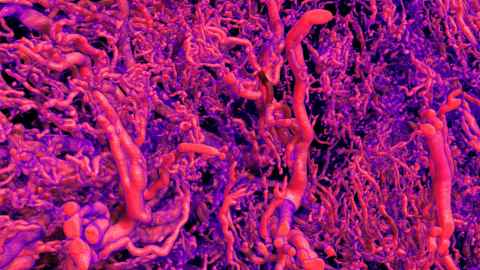
Fusing cutting-edge computational models and imaging technologies to improve research and clinical tools in the study of the brain and autonomic control.
Go to groups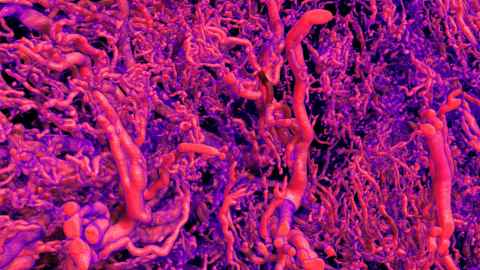
Discover more about the Physiome project – a comprehensive framework for modelling the human body – and the Software group.
Go to project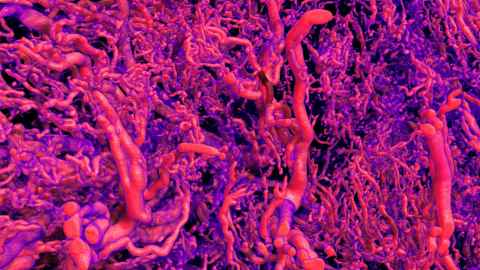
ABI advances lifelong reproductive health through research into reproductive physiology, uterine health, and pregnancy.
Go to groups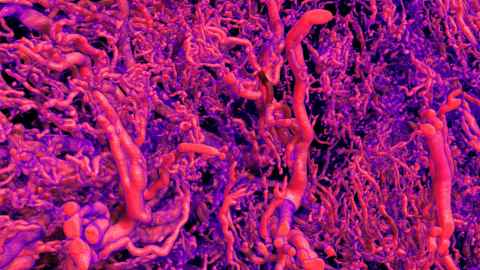
Bridging engineering and clinical expertise to design, prototype and test innovative surgical devices in collaboration with the Department of Surgery.
Go to lab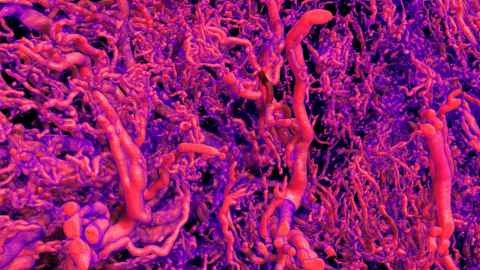
The Laboratory for TrAnslational Research in Gastroenterology and Emerging Technologies.
Go to lab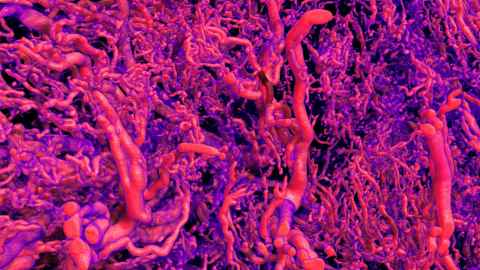
We investigate ways to improve women’s health throughout life, with a major focus on pelvic floor, breast, and pregnancy health.
Go to groups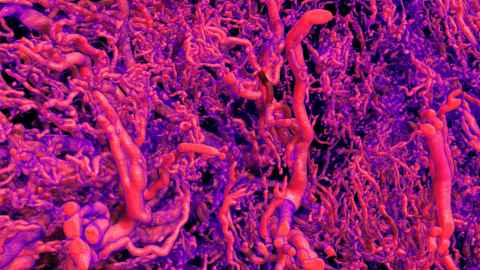
Explore ABI’s research themes, spanning biomimetics, clinical and augmented human technologies, experimental physiology, medical devices and more.
Go to themes